Recovery is about rediscovering how to live well—how to manage responsibilities, connect with others, and move through each day with purpose. At Hickory Grove Recovery, our life skills training program helps clients strengthen the abilities that support independence and stability in everyday life. Through guided learning, practical examples, and real-world practice, participants build confidence, emotional awareness, and resilience to sustain their recovery long after treatment.
What is life skills training?
Life skills training teaches coping, communication, and problem-solving skills that are essential for everyday living. These tools help clients manage stress, maintain relationships, and make healthy decisions during and after treatment. For people in recovery, learning or rebuilding these skills lays the groundwork for lasting stability.
Our program combines education with experience. Clients learn through discussions, group activities, and hands-on exercises. For example, a session on budgeting might include creating a personal spending plan, while a lesson on communication might involve practicing assertive conversation skills with peers. These sessions bridge the gap between theory and practice so clients can apply what they learn immediately.
Who we help
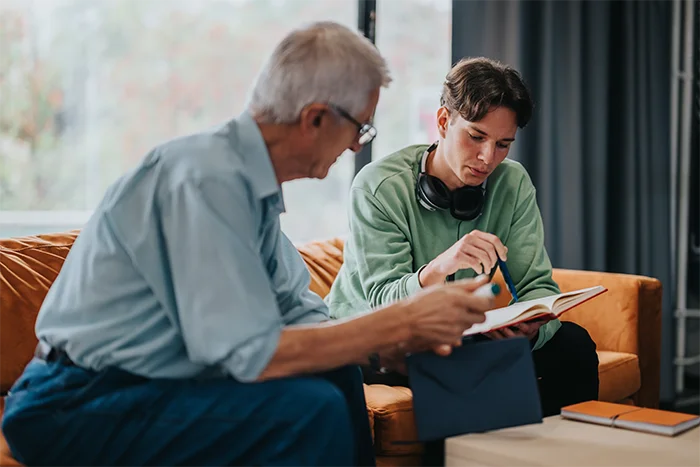
Life skills training at Hickory Grove Recovery is designed for people in addiction recovery who want to rebuild confidence and independence. It’s also helpful for young adults learning to manage responsibilities for the first time, professionals struggling with stress or burnout, and family members who want to improve communication at home. Whether you’re focusing on recovery, supporting someone else, or working on personal development, our team provides guidance and structure to help you move forward.
Why life skills training matters
Addiction and mental health challenges can disrupt even the most basic routines. Tasks like paying bills, preparing meals, or maintaining healthy boundaries may become overwhelming. Life skills training helps restore that balance. By practicing real-world scenarios—like how to handle conflict calmly, plan a day productively, or say no without guilt—clients learn practical skills that reduce stress and improve relationships.
These lessons help people:
- Strengthen communication with family and peers
- Build emotional balance and problem-solving skills
- Manage time, finances, and daily responsibilities
- Cope with triggers and stressful situations without returning to use
- Create and maintain healthy relationships
Developing these abilities helps clients transition from treatment to daily life with confidence and direction.
Core skills covered
Our curriculum covers a wide range of emotional, social, and practical topics. Each session focuses on real-life examples that make the learning meaningful.
Emotional intelligence and self-awareness
Clients learn to recognize emotional triggers and respond rather than react. In one exercise, participants identify situations that have caused frustration or anger in the past and practice calming strategies before responding. This helps reduce impulsive behavior and supports emotional balance.
Communication and social skills
Therapists help clients develop active listening and assertive speaking techniques. For instance, a group might role-play a conversation where a client needs to refuse an offer to use substances. Learning how to communicate confidently helps maintain boundaries and strengthen trust.
Decision-making and problem-solving
Clients learn to think through options, anticipate outcomes, and take responsibility for their choices. Activities like scenario mapping or evaluating real challenges—such as finding a job or repairing a strained friendship—help build practical confidence.
Stress management and coping strategies
Participants explore techniques like deep breathing, guided imagery, and mindfulness meditation. Counselors may lead a short mindfulness walk outdoors or teach journaling exercises that promote reflection and relaxation.
Resilience and mindfulness
Clients practice staying present during difficult moments through grounding exercises and gratitude work. These habits promote patience and persistence, which are vital during recovery setbacks.
Goal setting and self-care
Clients create personal goals such as developing a new routine, reconnecting with a hobby, or maintaining a consistent sleep schedule. Counselors emphasize the importance of small, consistent steps to build lasting change.
Conflict resolution and healthy relationships
Role-playing activities help clients explore healthy ways to resolve disagreements. By learning how to express needs calmly and listen without judgment, participants build stronger, more supportive relationships.
Our evidence-based approach
Life skills training at Hickory Grove Recovery draws from research-backed methods including cognitive-behavioral therapy, positive psychology, and mindfulness practices. Sessions are structured and interactive, helping clients apply each concept to real-life experiences.
For example, a CBT-based exercise might focus on identifying negative thinking patterns and replacing them with balanced thoughts. A mindfulness session might include guided breathing and reflection on the day’s events. Licensed therapists and counselors lead every session and provide feedback that supports progress at a comfortable pace.
Key features of our program include:
- Individualized coaching tailored to client goals
- Peer collaboration that builds accountability
- Integration with therapy and relapse prevention planning
- Ongoing evaluation to measure growth and reinforce learning
This balance of structure and flexibility helps clients practice new skills until they become part of everyday life.
Program components and methods
The program combines discussion, experiential learning, and reflection. Each component reinforces the connection between knowledge and practice:
- Group sessions encourage teamwork, empathy, and shared learning.
- Hands-on activities such as cooking classes or resume workshops help clients develop practical skills for daily life.
- Individual coaching provides space to work through personal challenges.
- Reflection exercises encourage journaling or meditation to build self-awareness.
These elements create a well-rounded experience that supports emotional growth and life preparation.
Research-based outcomes
Life skills training improves communication, emotional stability, and confidence. Many clients who complete the program report being better prepared for employment, maintaining stronger family relationships, and feeling more capable of handling everyday responsibilities. Research supports these outcomes, showing that structured skills training lowers relapse risk and strengthens emotional health.
Hickory Grove Recovery follows current best practices and adapts the curriculum based on client feedback and new research to keep the program effective and relevant.
Program options and formats
Life skills training is part of both inpatient and aftercare programs at Hickory Grove Recovery. Group and individual sessions allow flexibility based on each client’s comfort and learning style. Clients participate in exercises like budgeting, job readiness workshops, or meal planning to prepare for daily living after treatment.
After graduation, alumni can join workshops or mentorship groups to continue practicing their skills and stay connected to a supportive community.

How to get started
Getting started begins with a simple conversation. Our admissions team will answer your questions, verify insurance coverage, and design a personalized treatment plan that includes life skills training. From the first session, clients experience a supportive space focused on progress, learning, and steady growth.
FAQs
Life skills training helps clients regain independence, manage emotions, and maintain healthy relationships. These skills support confidence and reduce relapse risk by making daily challenges easier to navigate.
Program length depends on individual needs. Many clients participate in weekly sessions during inpatient treatment and continue through aftercare support to strengthen their skills.
Licensed counselors and behavioral health specialists lead each session, providing a balance of education, discussion, and practical exercises.
While life skills training is a key part of addiction recovery, it’s also beneficial for anyone managing stress, anxiety, or life transitions.
Yes. Family members can join selected sessions to practice communication and support skills that strengthen recovery at home.
Graduates can continue learning through alumni programs, community workshops, and aftercare sessions that encourage ongoing growth.
Build a stronger future
Recovery is ongoing growth. Life skills training at Hickory Grove Recovery helps clients build habits and confidence that support independence, self-awareness, and lasting wellness.
Call us today at 501.509.5143 or reach out online to learn more about life skills training and how it can support your recovery journey.